Glazing and air leakage
Older single-pane and aging double-pane units lose heat through the glass and around the sash. Weatherstripping, sealing, and glazing upgrades are the common responses.
A reference resource on how Canadian homes lose heat through the building envelope, and the materials and methods commonly used to reduce that loss in cold-climate conditions.

In Canadian winters the temperature difference between indoor and outdoor air is large for many months. That difference drives heat outward through conduction across solid surfaces and through air leakage at gaps and joints. Windows, exterior doors, and walls are the three envelope components most homeowners can influence directly.
Climate varies widely across the country, from the milder coastal conditions of British Columbia to the long, severe winters of the Prairies and the North. The relative value of each measure depends on local climate, the age and construction of the house, and how the building was originally sealed and insulated.
Each article focuses on one part of the envelope and explains the common materials, the typical failure points, and the practical considerations for cold climates. Figures here describe widely used concepts; specific code requirements and rebate eligibility should always be confirmed with local authorities.
Older single-pane and aging double-pane units lose heat through the glass and around the sash. Weatherstripping, sealing, and glazing upgrades are the common responses.
Exterior doors leak air at the bottom sweep, the perimeter, and the latch side. Adjustable thresholds and replacement gaskets address most of it.
Wall heat loss depends on insulation type, thickness, and the continuity of the air barrier. Approaches differ for finished versus open-frame walls.
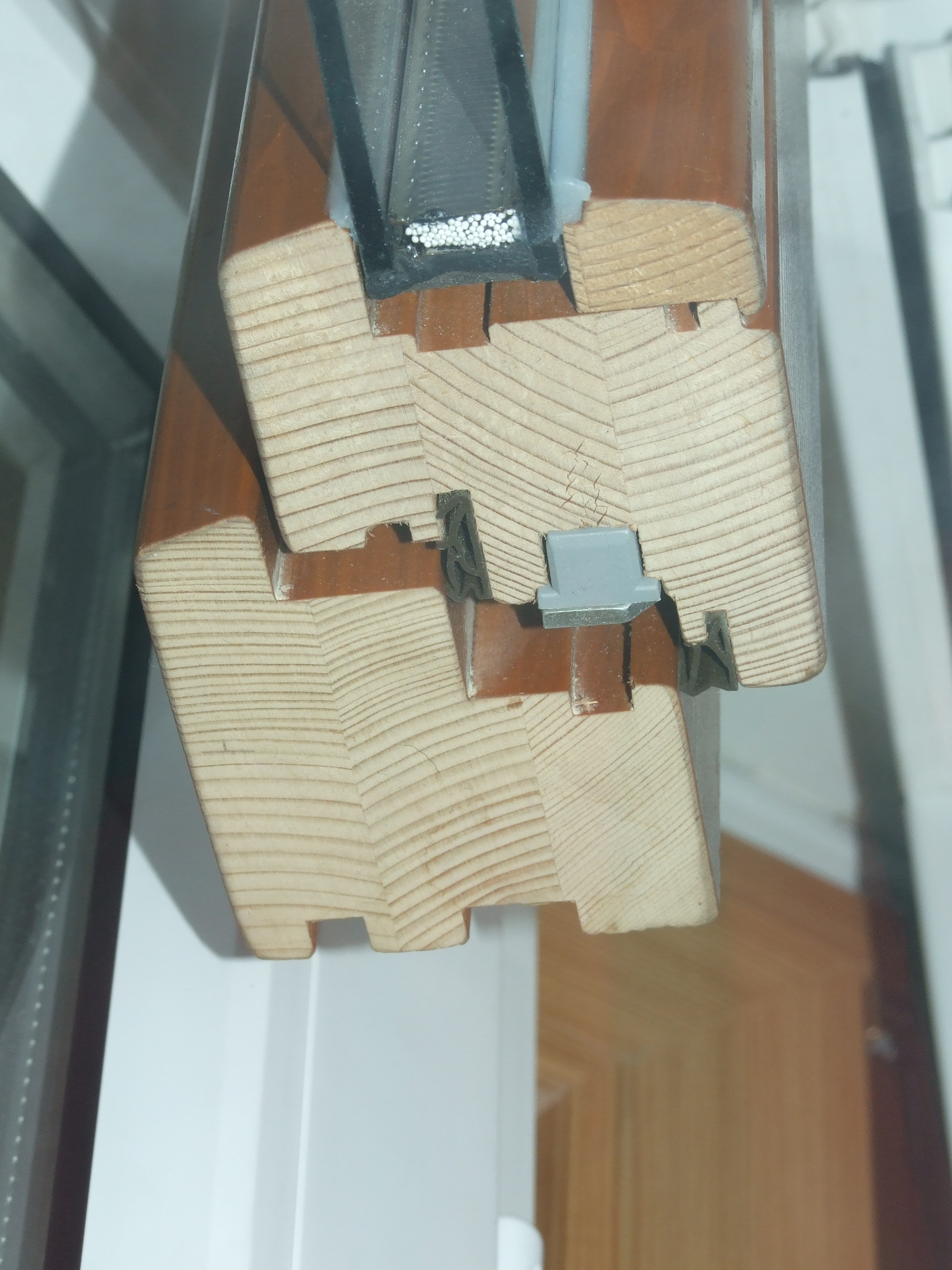
Sealing methods, weatherstripping types, and what glazing changes actually address in a cold climate.
Read article
Where doors leak, how thresholds and sweeps are adjusted, and what to check before replacing a door.
Read article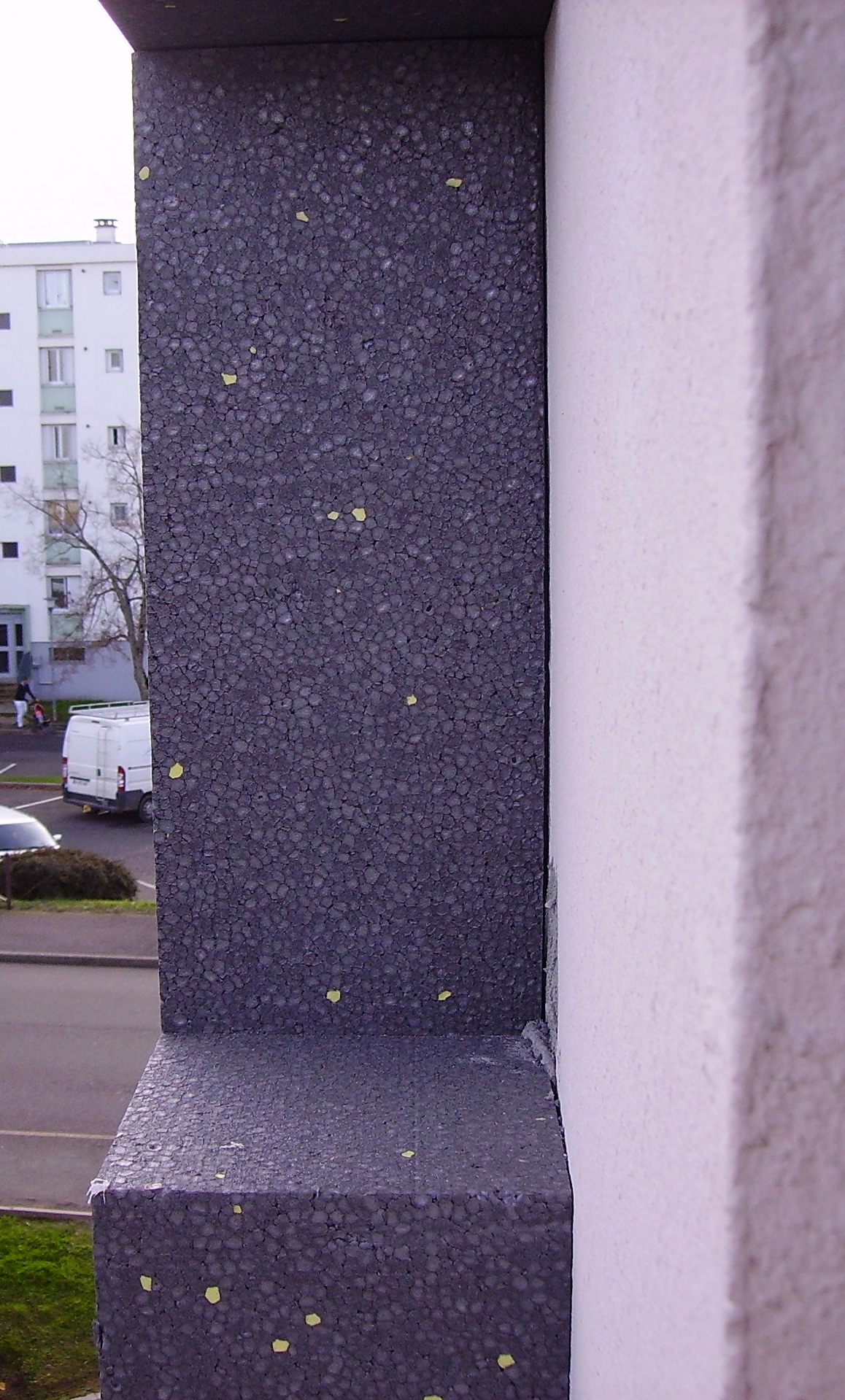
Cavity insulation, continuous exterior insulation, and the role of the air and vapour barrier.
Read articleThe following organizations publish publicly available guidance on residential energy efficiency in Canada and are useful starting points for code and program details.